
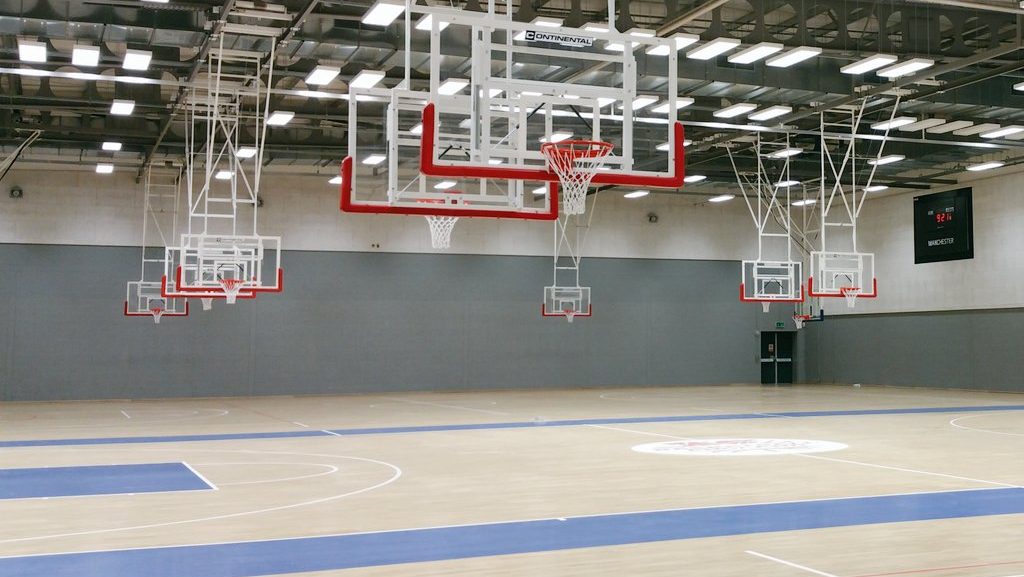
Every weekend across England, junior basketball teams load into cars, pile into minibuses, and travel to play competitive games across the country. Hundreds of fixtures. Dozens of towns and cities.
That is national scale. But a club being nearby does not tell you who it serves, or how long it can serve them.
What National Scale Looks Like
Across Basketball England–run junior national leagues, 860 teams from 198 clubs are competing this season.
The maps in this article focus on clubs that have played games in Basketball England–run junior national leagues this season. They do not capture every programme or local league in England. They show where clubs are participating in Basketball England–run junior national leagues.
Seen this way, the picture is of a sport that shows up across the country week after week.
Where is basketball being played?
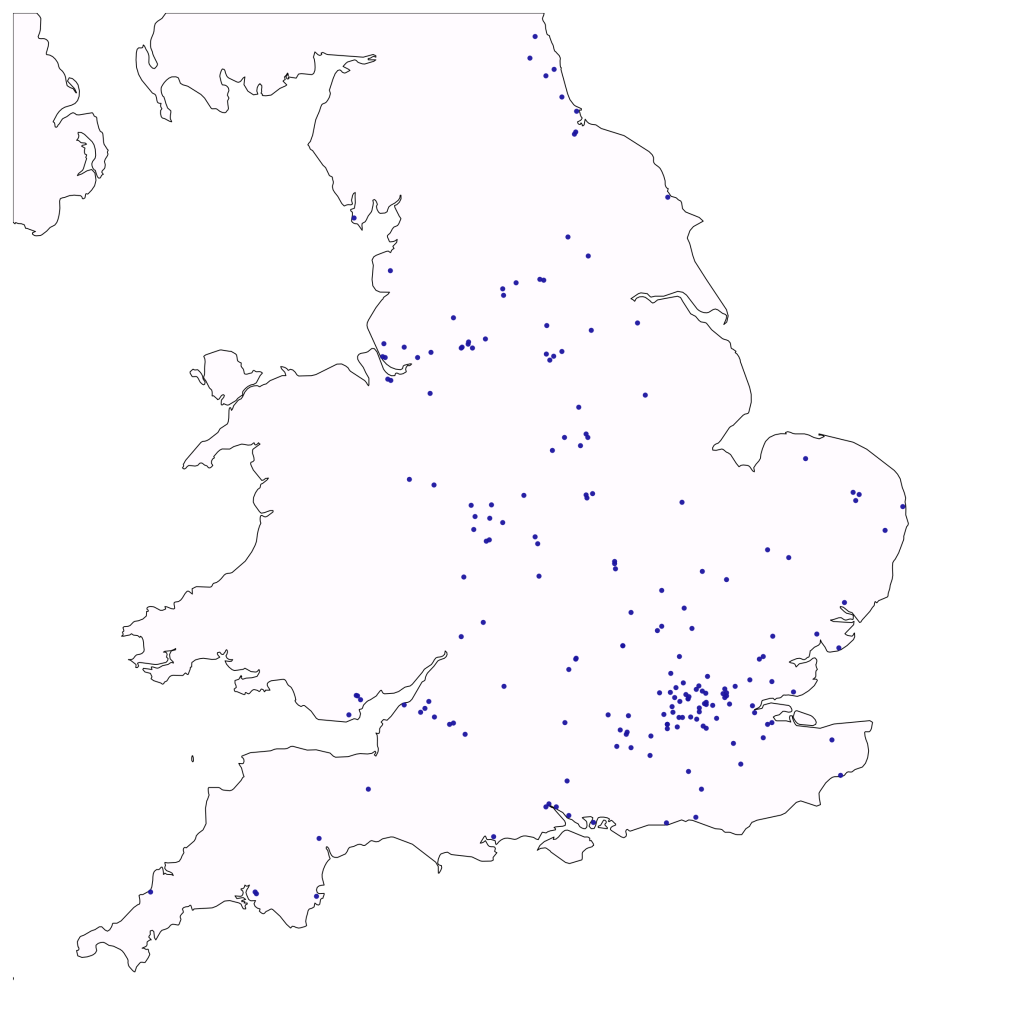
*Locations were taken from postcodes on club websites and social media profiles. Where clubs operate across multiple venues, a single postcode is used to represent the club’s base location.
At this level, the footprint is broad. Clubs are spread across the country, and junior national-league basketball clearly has a national reach.
When Access Starts to Narrow
But “a club exists nearby” is the loosest possible definition of access. As soon as you ask who that club is for, the picture begins to change.
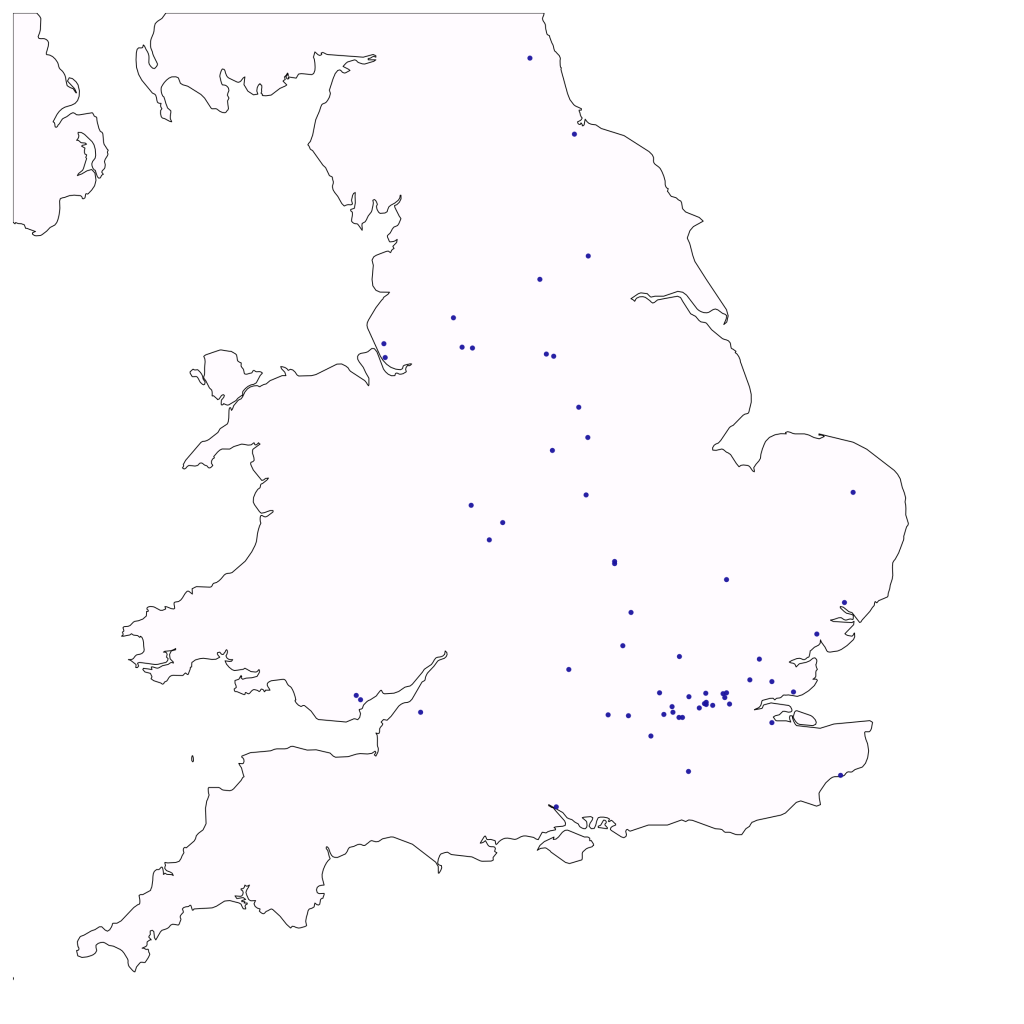
The first filter looks at whether clubs enter teams in both the junior boys’ and junior girls’ national leagues. Of the 198 clubs competing across junior national leagues, 59 meet that threshold. Apply this filter, and the footprint thins. Basketball is still being played across the country, but opportunities are no longer evenly distributed.
Where do both boys’ and girls’ teams compete?
The second filter is continuity. Can players stay competing within this level of competition as they get older? Here the definition tightens again, focusing on clubs that enter teams in both boys’ and girls’ leagues across multiple age groups. Just 44 clubs meet that threshold.
Where can players stay in the sport as they get older?
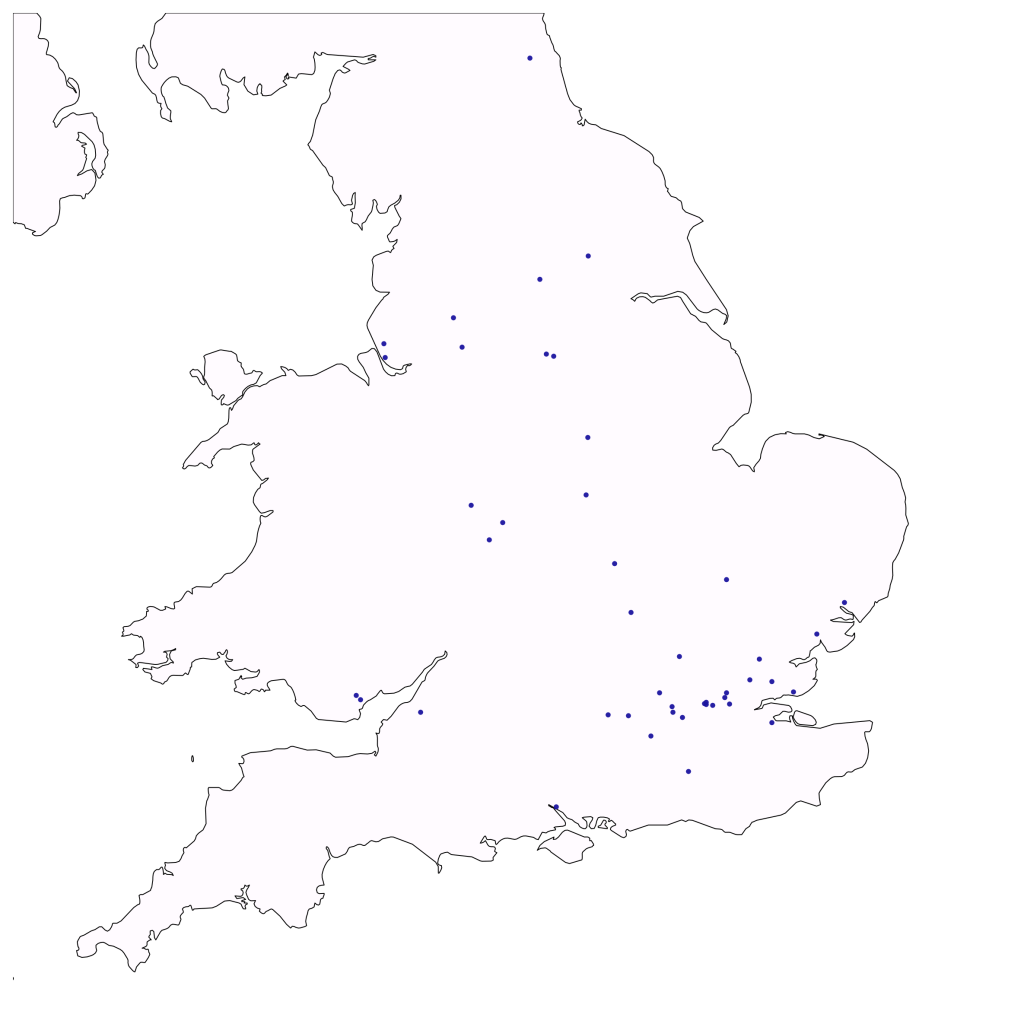
What changes across these maps is capacity. As the definition of access becomes more demanding, fewer clubs are able to sustain it. That narrowing reflects a variety of structural constraints — facilities, volunteers, funding, and participation.
How Opportunity Takes Shape
A club nearby is not the same thing as a club that fits. In some places, families can choose between programmes, age groups, and ways of staying in the sport. In others, participation depends on whether a single local offer happens to match a player’s needs.
The maps show that junior competitive basketball in England already has real scale. What changes from one map to the next is what clubs are able to offer.
As individual clubs grow over time — extending age groups and supporting participation across leagues — the national picture could begin to fill in. Bit by bit, more players, in more places, might find themselves close not just to a club that exists, but to one that can support them through years of competitive basketball.
