
Author: Joe Whitehead
-
Why Cam Christon Fits Bristol
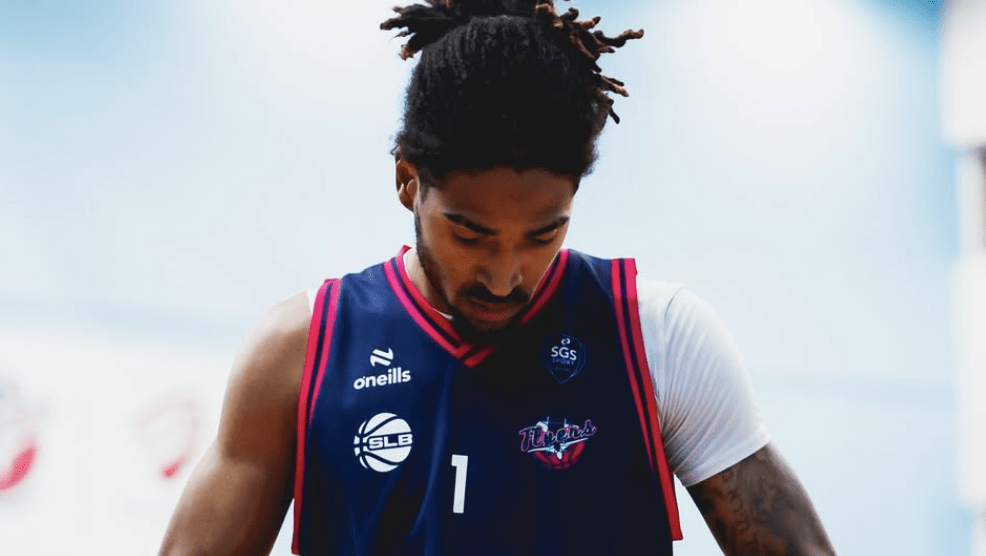
Before Cam Christon signed, Bristol sat second-bottom in Super League Basketball for offensive rating. They were generating fewer efficient possessions than almost everyone else in the league. At the same time, they were defending at one of the better rates in the league — something that shifted after Milos Dugalic’s injury. Christon does not solve…
-
Making the SLB Table Mean More
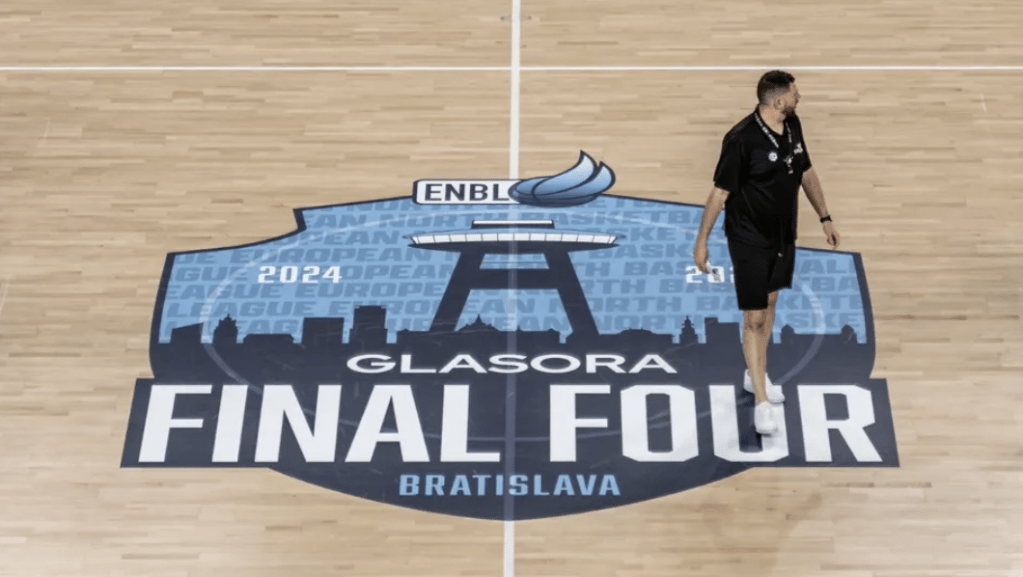
European basketball isn’t a rarity in the SLB. Four clubs have been competing in two different European competitions this season. Club Competition London Lions EuroCup Bristol Flyers ENBL Manchester Basketball ENBL Newcastle Eagles ENBL The important point is not who those clubs are, but how they got there. European participation is decided by club choice…
-
Inside the Nottingham Academy Wildcats
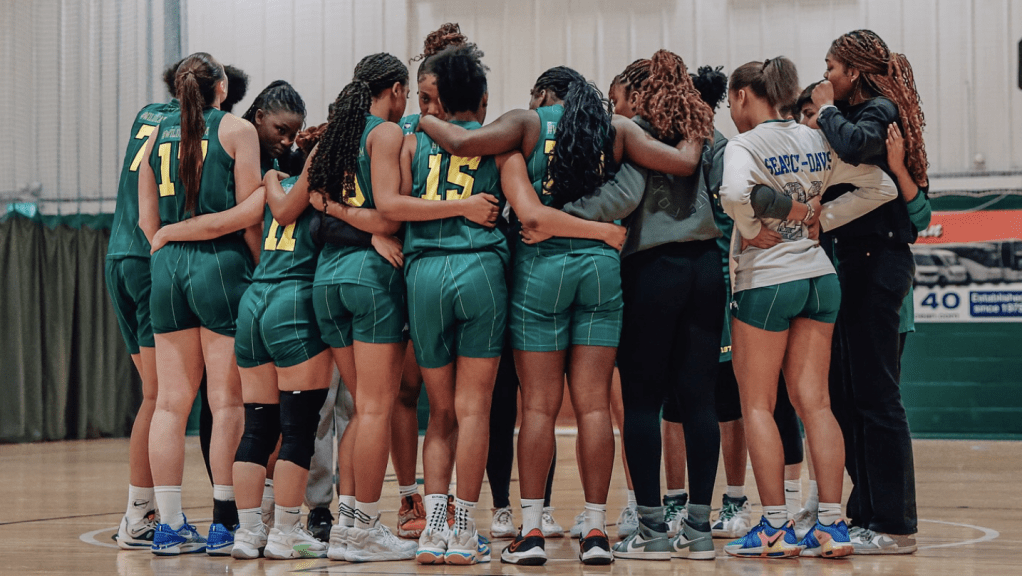
The academy players were running a practice drill for their base man-to-man offence on the sprung wooden court of the Wildcats Arena. The rule was simple: every possession had to start with a wing entry pass. One of the players kept trying to get free on the wing. Her defender denied her every time. Possession…
-

One Extra Guard Changed Surrey’s Season
Surrey’s season has a clear dividing line. Before Tyrin Lawrence arrived, they looked like a bottom-two team. Since then, they have played like one of the league’s best. Lawrence’s arrival at the start of the year has let Surrey pick a new identity. They can go small — three guards, with Lawrence as a de-facto…
-

Funds Can’t Play Basketball
The day after the NBA brought a regular-season game to the O2, a different room in London hosted a different kind of audience. 250 invite-only guests gathered at the Raffles Hotel for private briefings on the NBA’s plans for Europe. In one sense, the event worked. Not because a league was announced, or because clubs…
-
The Missing Years in British Basketball
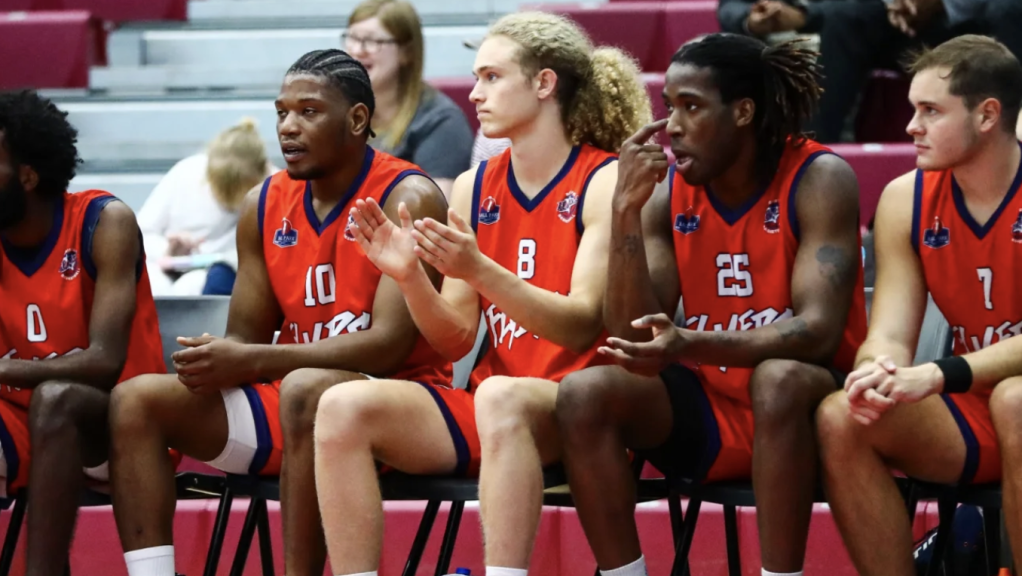
Ages 18 to 22 are a decisive phase in a basketball player’s development. This is when players begin the transition from prospect to contributor, completing their physical growth and learning to survive possessions at higher levels rather than dominate them at lower ones. At this stage, development comes from minutes, not just training. Playing through…
