
Category: Youth Pathway
-

Brits in College Through the Years (Men)
Every year since 2010/11, Hoopsfix has published a Brits in College article tracking which British men are playing in North American college basketball. Each season also includes a list of players who have left North American college basketball, along with a short note on what they did next. By combining those lists across more than…
-
Mapping Access to Basketball in England
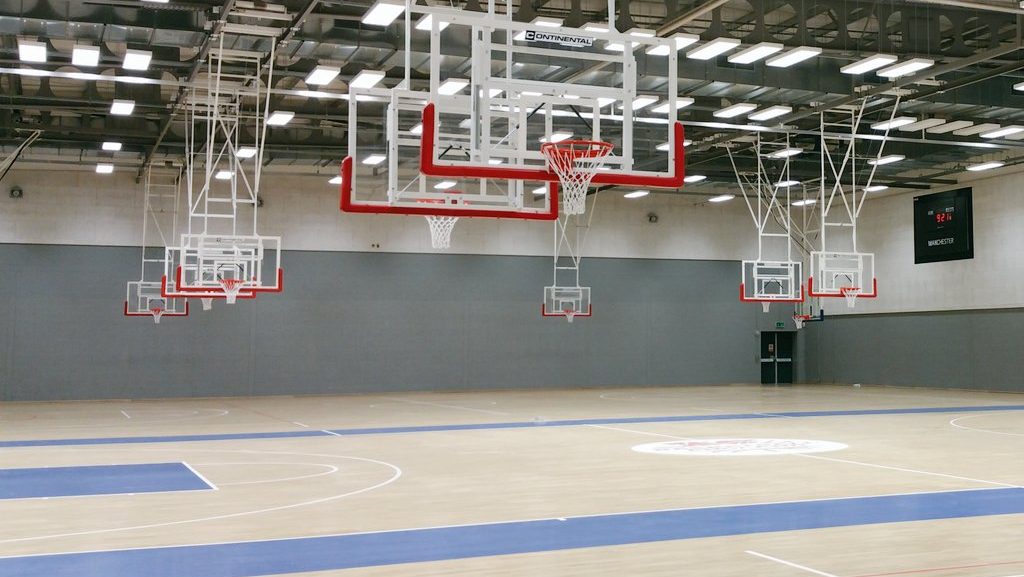
Every weekend across England, junior basketball teams load into cars, pile into minibuses, and travel to play competitive games across the country. Hundreds of fixtures. Dozens of towns and cities. That is national scale. But a club being nearby does not tell you who it serves, or how long it can serve them. What National…
-
Inside the Nottingham Academy Wildcats
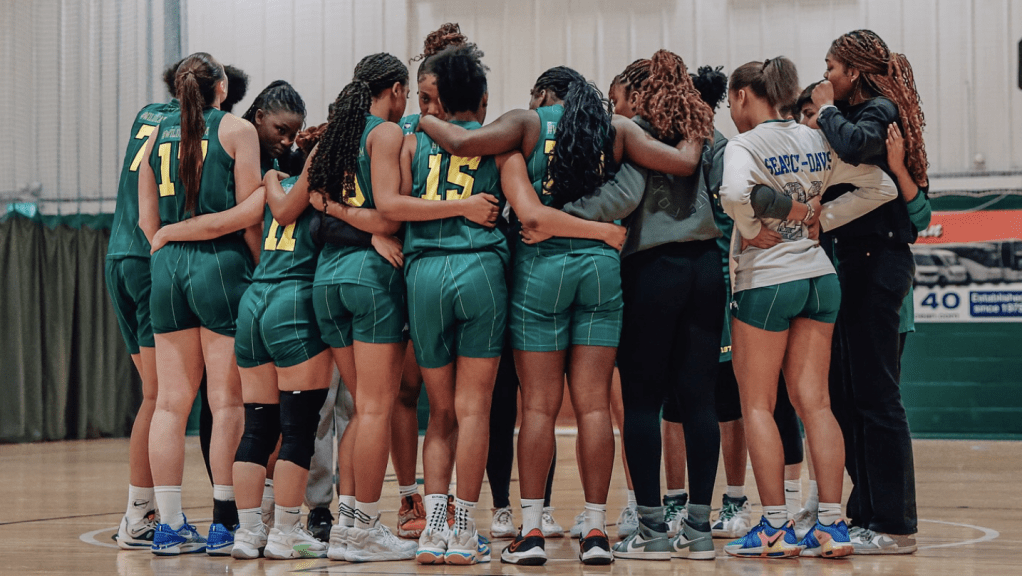
The academy players were running a practice drill for their base man-to-man offence on the sprung wooden court of the Wildcats Arena. The rule was simple: every possession had to start with a wing entry pass. One of the players kept trying to get free on the wing. Her defender denied her every time. Possession…
-

The Missing Years in British Basketball
Ages 18 to 22 are a decisive phase in a basketball player’s development. This is when players begin the transition from prospect to contributor, completing their physical growth and learning to survive possessions at higher levels rather than dominate them at lower ones. At this stage, development comes from minutes, not just training. Playing through…
-

How Europe Helps Young Players Find Minutes
The years after junior basketball are not self-sustaining. Without structure, they break down. Across Europe, leagues respond by building explicit mechanisms for this phase. The examples below show how different rules organise these years, rather than leaving them to chance. Make It Easy To Play Down a Level Lithuania addresses a familiar problem. A young…
-

Victor Ndoukou’s Long Route
Leicester run one of the few pathways in the country that carries players from junior basketball all the way to the professional game. The structure is simple, with each stage feeding the next clearly. Pathway Stage Age Range Competitions Junior Academy 10 to 16 Junior NBL Charnwood College (Men) 16 to 18 EABL, NBL Division…
