
Tag: BCB
-
When National Rankings Decide Domestic Value
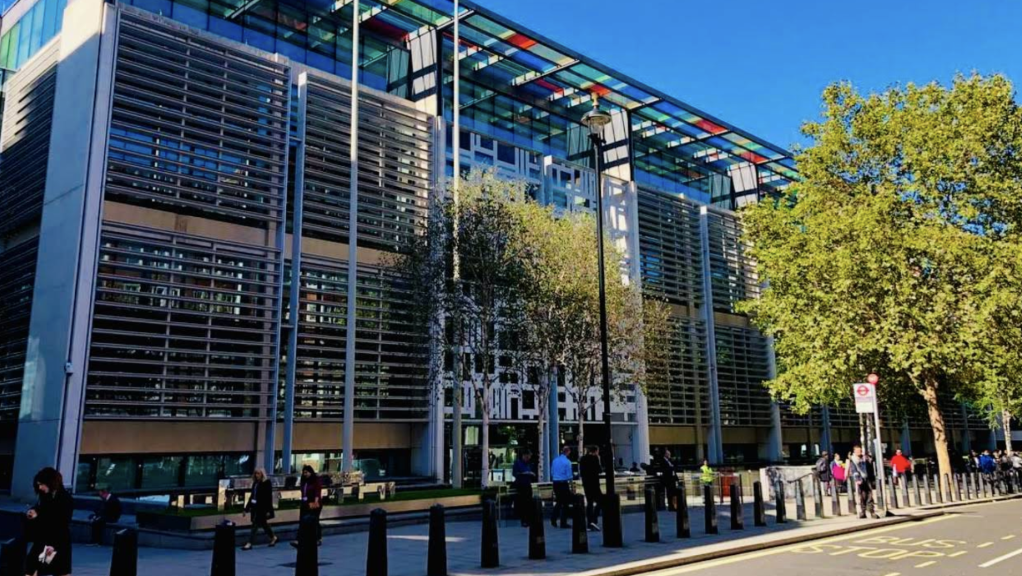
Governing Body Endorsements (GBE) were impossible to ignore last summer. Visas, eligibility, and league recognition became flashpoints that shaped roster construction and even the start of the season. What has received far less attention is how the GBE criteria quietly shape recruitment choices long before a player ever steps on court. This article explains how…
-
The Missing Years in British Basketball
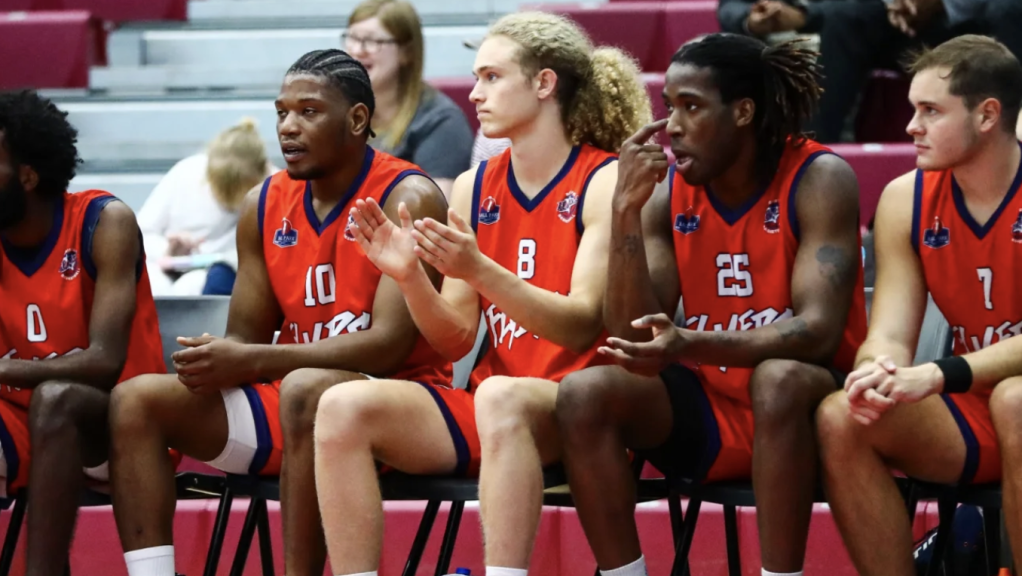
Ages 18 to 22 are a decisive phase in a basketball player’s development. This is when players begin the transition from prospect to contributor, completing their physical growth and learning to survive possessions at higher levels rather than dominate them at lower ones. At this stage, development comes from minutes, not just training. Playing through…
-
How Europe Helps Young Players Find Minutes
The years after junior basketball are not self-sustaining. Without structure, they break down. Across Europe, leagues respond by building explicit mechanisms for this phase. The examples below show how different rules organise these years, rather than leaving them to chance. Make It Easy To Play Down a Level Lithuania addresses a familiar problem. A young…
-

Is Basketball’s Academy System Being Left Behind?
Every sport needs a bridge between education and the professional game. When government funding arrived through the Advanced Apprenticeship in Sporting Excellence (AASE) in 2004 — and later its successor, the Diploma in Sporting Excellence (DiSE) in 2018 — it gave young athletes across multiple sports a dual path: to train like professionals while completing…
-
Talent Is Everywhere, Opportunity Isn’t
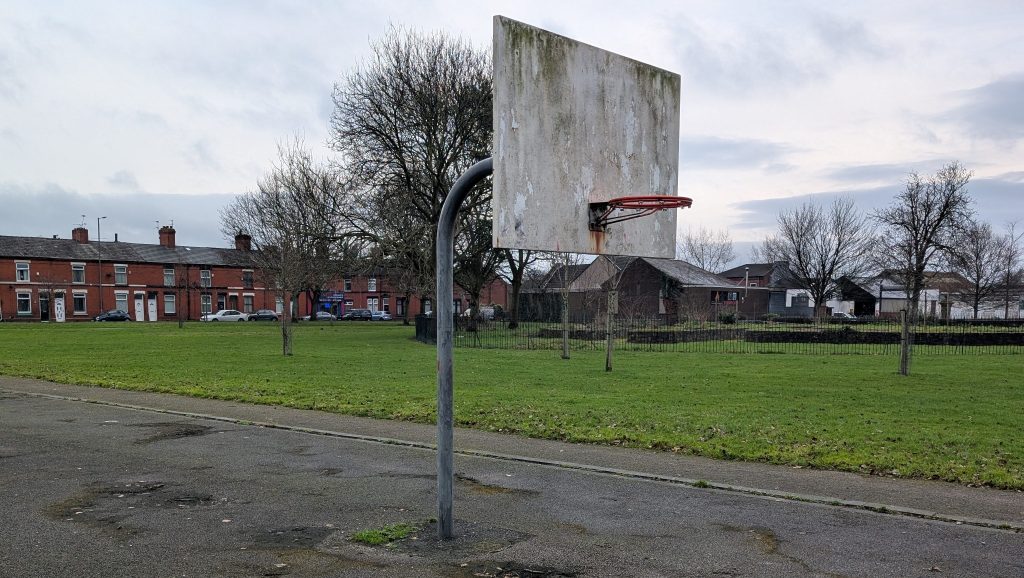
British basketball has no problem getting kids onto the court. Sport England’s Active Lives Children and Young People survey shows basketball is the second most-played team sport among children, helped by outdoor courts — varied in quality but found nationwide — that make it easy to pick up a ball and play. The challenge comes…
-
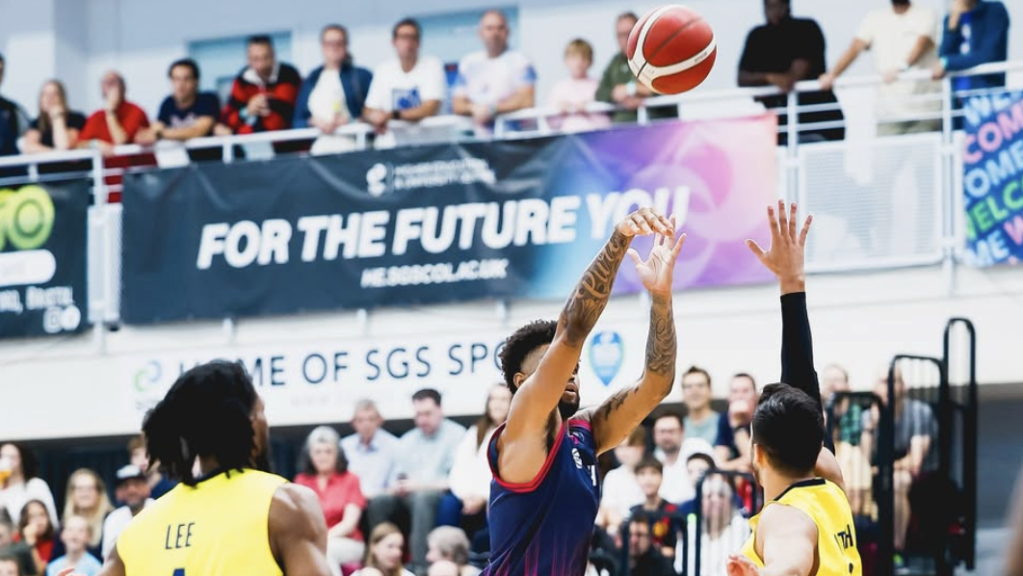
A Ball in the Air
The opening night of the second season of the SLB was meant to be about the basketball. Six teams took the floor with refreshed rosters and a summer of preparation, eager to prove the league was more than an improvised debut. Instead, it arrived in the shadow of refereeing uncertainty and FIBA intervention. When the…
