
Tag: Cheshire Phoenix
-
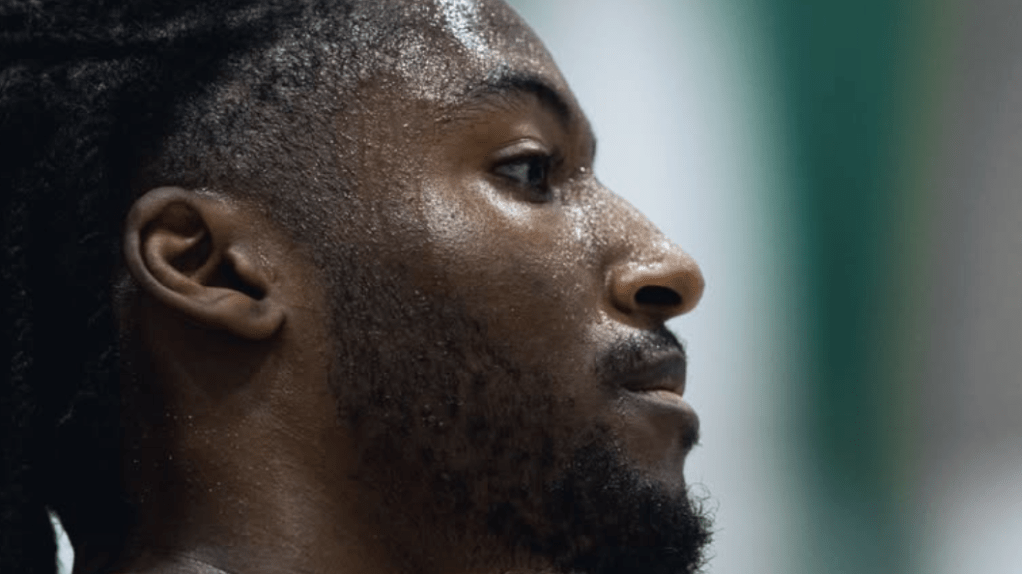
Pat Robinson’s One Thing
Before the season, Cheshire’s guard hierarchy looked set. LaQuincy Rideau was back — returning after a season away, a homecoming for the leader of the Cheshire team that had pushed the 777-era Lions two years earlier. Pat Robinson was meant to play off him. But within weeks, that balance has shifted. Rideau’s minutes have dipped,…
-

Exactly As They Are
In 2012, the Cheshire Phoenix were on the verge of collapse. The league had withdrawn their franchise from the owner after he threatened to cancel contracts and fixtures. The club needed £50,000 to survive. What happened next wasn’t a corporate bailout or quiet restructuring—it was a rescue driven by the people. Local businesses chipped in.…
-

Cheshire Refuse to Change
In a league defined by parity, a clear identity can be a competitive edge. Cheshire have leaned into theirs more than anyone—playing faster, shooting more, and living with the consequences. But as the season has unfolded, that commitment has begun to look more like a limitation than a strength. They still play with breakneck pace…
-

Can Cheshire Solve Their Second-Chance Problem?
The Cheshire Phoenix boast a defensive rebounding percentage (DReb%) of 71.9%, second in the SLB and a clear indicator of their dominance on the boards. Yet, despite this strength, they concede 10.39 second-chance points per game—one of the highest rates in the league. As the chart below illustrates, Cheshire’s high DReb% stands in stark contrast…
-

The Chemistry of Skyler White and Cameron Holden
Skyler White is redefining what it means to be a big man in the SLB. Cheshire Phoenix has built their offence around White’s ability to shoot the three-pointer at an elite level, turning him into one of the most lethal shooters in the league. White isn’t your typical big crashing the boards or dominating the…
-
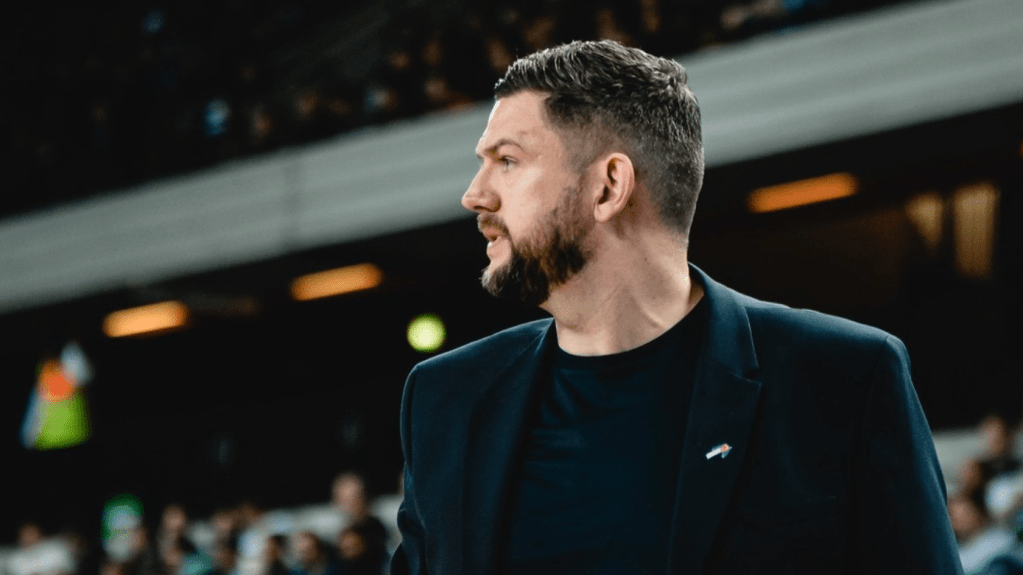
Cheshire Expose Newcastle’s Hidden Weakness
With 5:35 remaining in the second quarter between Cheshire Phoenix and Newcastle Eagles in the SLB Trophy, Cheshire guard Cameron Holden stepped over half court and delivered a precise bounce pass to Skyler White, the league leader in 3-point attempts per game, who found himself in space on the wing. Newcastle’s Mike Okauru tried to…
