
Tag: Manchester Basketball
-
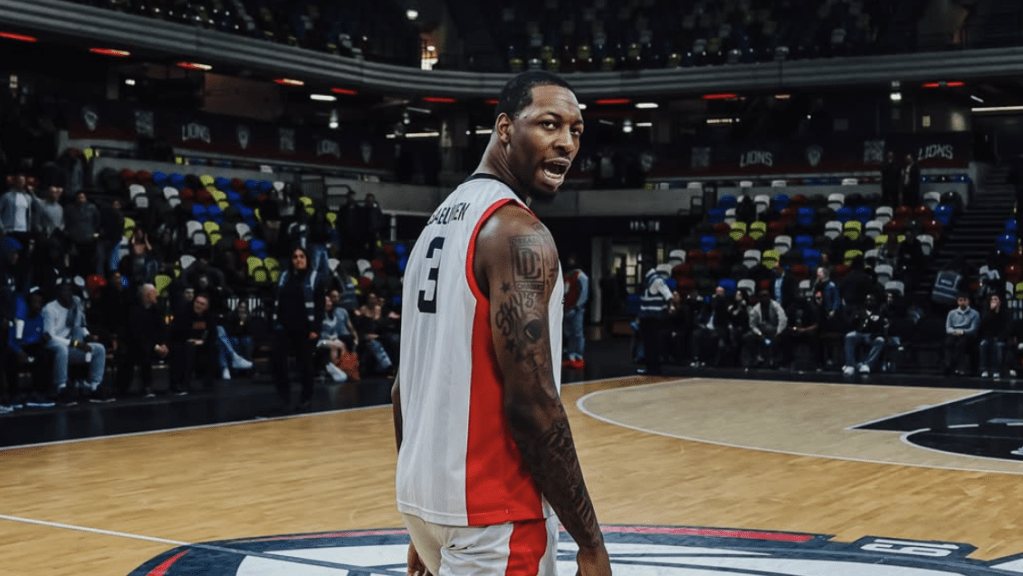
SLB Cup Final Preview
The Great Britain Men’s long list for the most recent FIBA World Cup qualifiers included 20 names. Five were from London Lions. Two were from Manchester Basketball. Only one other Super League Basketball player made the squad — Bristol Flyers guard Jonathan Brown. London and Manchester have both spent the season competing in Europe with…
-
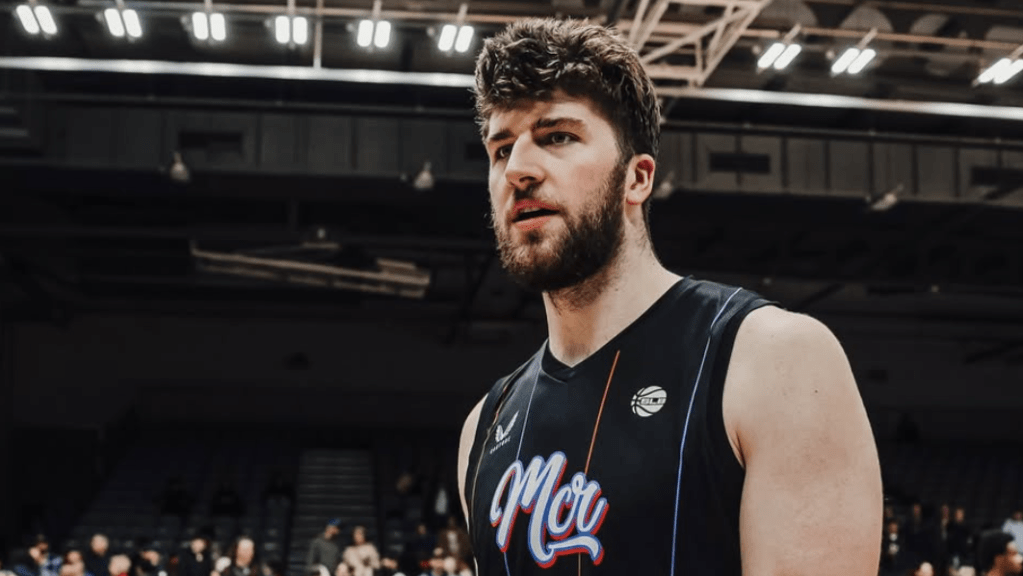
Matt Nicholson’s Defensive Footprint
Manchester’s numbers with Matt Nicholson on the floor tell a story that is both encouraging and frustrating. When he plays, opponents’ shot selection shifts away from the rim and towards less efficient areas of the floor. And yet the overall defensive impact remains modest. The shape of possessions changes, but the scoreboard barely does. This…
-
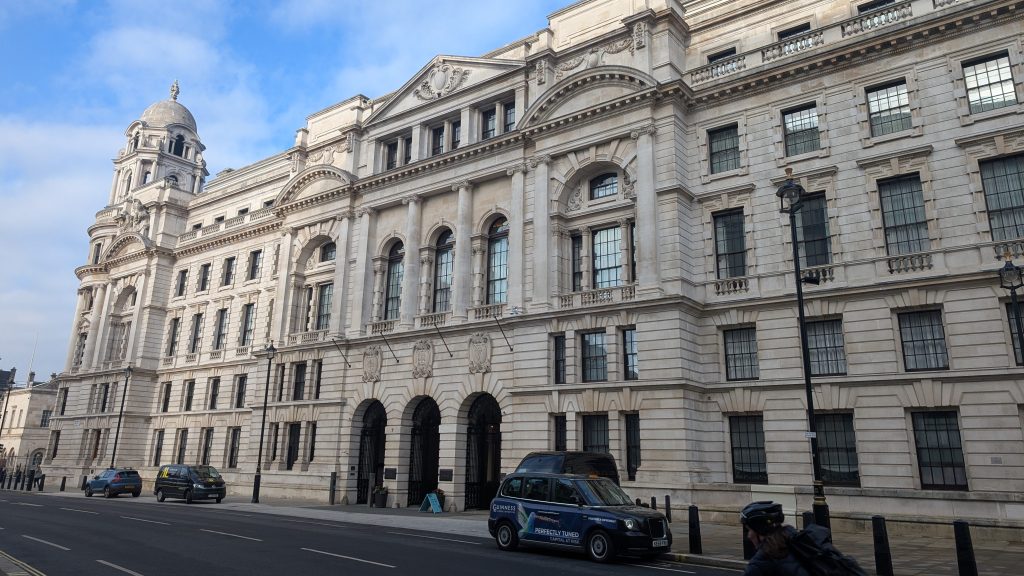
Funds Can’t Play Basketball
The day after the NBA brought a regular-season game to the O2, a different room in London hosted a different kind of audience. 250 invite-only guests gathered at the Raffles Hotel for private briefings on the NBA’s plans for Europe. In one sense, the event worked. Not because a league was announced, or because clubs…
-

Can Zak Irvin Find His Fit Again?
Every team has a fifth option. The player defences are happy to leave alone, the one who is not meant to swing games. For Manchester, that role belonged to Zak Irvin — measured, selective and quietly essential. Before his injury at the start of November, Manchester asked a lot of him. Only Max Jones had…
-
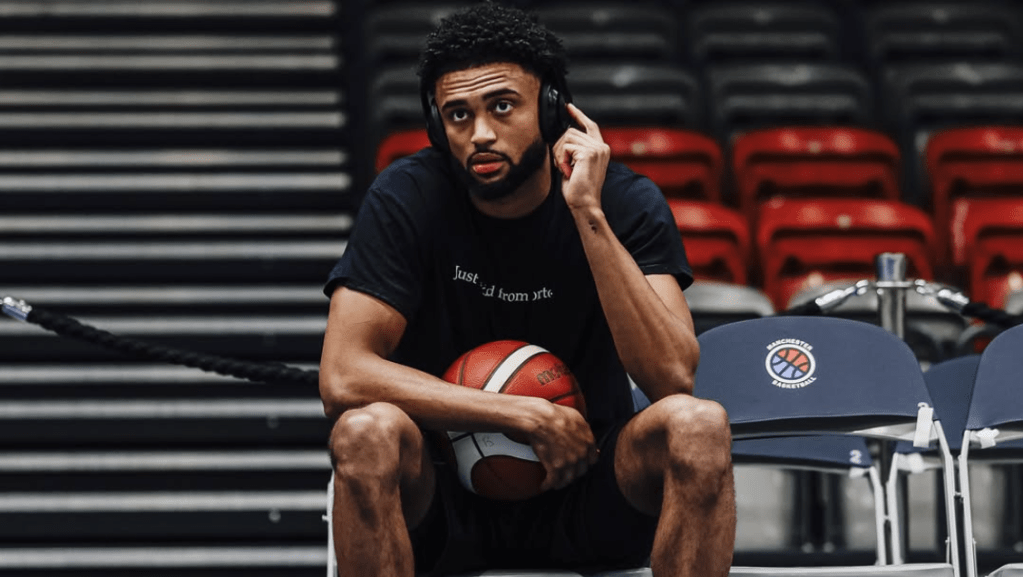
Becoming the Manchester They Want to Be
Manchester Basketball began this summer with a plan that reached beyond domestic competition. Their intended entry into the Basketball Champions League was blocked when the British Basketball Federation refused to issue the required International Letter of Clearance — seemingly ending the chance to test themselves in Europe before it began. But they didn’t change course.…
-
A Ball in the Air
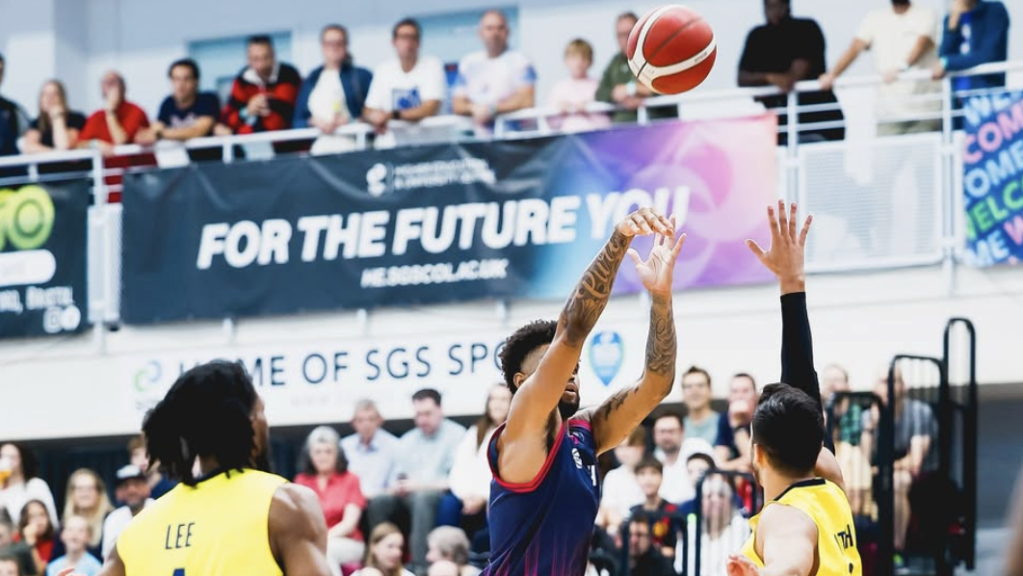
The opening night of the second season of the SLB was meant to be about the basketball. Six teams took the floor with refreshed rosters and a summer of preparation, eager to prove the league was more than an improvised debut. Instead, it arrived in the shadow of refereeing uncertainty and FIBA intervention. When the…
