
Tag: Sheffield Sharks
-
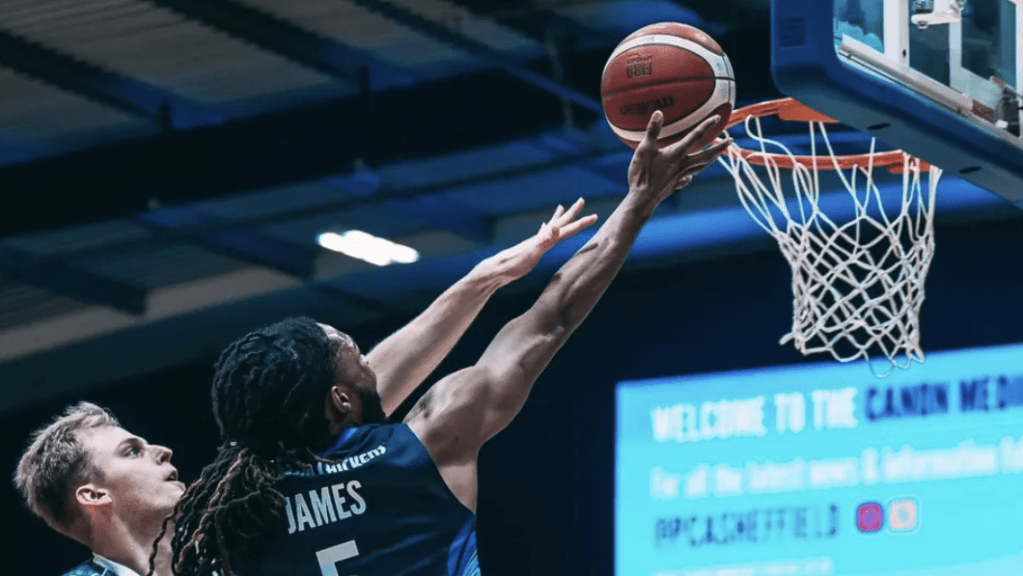
There’s Only One Ball for Sheffield
How many players can one team carry who all expect to finish possessions? Sheffield’s offence this season is built around that question. Rather than spreading responsibility across contrasting roles, they have brought together several players whose value comes from finishing possessions. The issue isn’t how often the offence runs through them, but how often it…
-

Sheffield Are Betting on Continuity
Atiba Lyons has been head coach in Sheffield since 2008 — seventeen years on the sideline, a rare constant in British basketball. In a league defined by churn, where imports cycle in and out and rosters are rebuilt every summer, his presence has given the Sharks a stability most clubs can’t match. Continuity is the…
-

It’s Messy and It’s Real
Back in June, there wasn’t supposed to be a league at all. The British Basketball League had collapsed. The British Basketball Federation (BBF) had revoked the league licence. And suddenly, the sport was staring into the abyss—no structure, no plan, no clear future. What followed wasn’t clean or comfortable. But it was real. The clubs…
-

Almost Beautiful
Rickey McGill made his Sheffield debut with just over a minute left in the first quarter against Cheshire. The Sharks trailed 11–15. On his first possession, he assisted a Jamell Anderson three. On the next, he picked off a pass and fed Scott Lindsey in transition. Two plays, two scores—just like that, Sheffield led. Then…
-
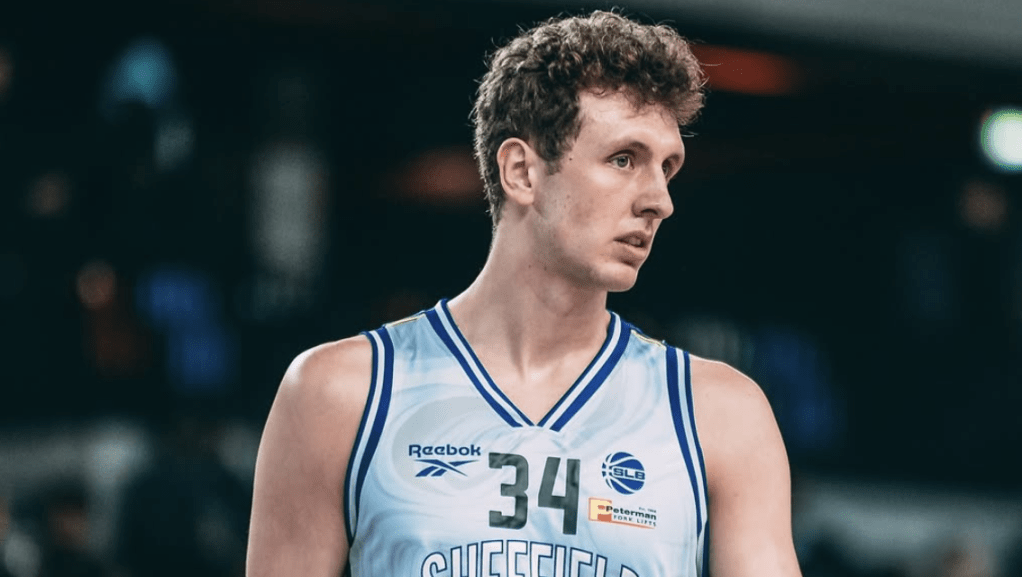
Jacob Groves Belongs at the Next Level
In basketball, it’s easy to focus on production. Players who dominate the ball, lead the league in scoring, or fill the box score often command the spotlight. But the more important question—especially for scouts and clubs—isn’t who’s dominating today, but whose game belongs at the next level. Jacob Groves might just be the answer. Spacers…
-
Game Notes: Sheffield Sharks 105 – 97 Surrey 89ers
Donovan Clay’s free-throw technique is anything but conventional. Standing at the line, he leans far to the left, his right shoulder almost square with the rim. When he shoots, the ball travels back across his body on a diagonal path that looks wrong—until it drops through the net. Not once did his shot look clean…
