
Sheffield were not bad this season. They finished fourth in the Championship and stayed competitive.
But this was the second season after Vaughn Millette arrived as the club’s new owner. His first season brought a third-place Championship finish and Sheffield’s first trophy since 2016.
That made this year feel flatter. Sheffield had enough continuity to look familiar, but not enough momentum to feel like they were building on last season.
Keeping the Core
Before the season started, Sheffield had one of the clearest identities in the league. Atiba Lyons was still there, 17 years into his time with the club, and much of last year’s rotation remained in place.
Given last season’s results, that looked wise.
| Team | % Minutes by Returning Players |
|---|---|
| Sheffield Sharks | 49.1% |
| Caledonia Gladiators | 36.1% |
| Newcastle Eagles | 29.5% |
| Surrey 89ers | 28.5% |
| Manchester Basketball | 22.0% |
| Leicester Riders | 20.0% |
| London Lions | 19.5% |
| Bristol Flyers | 15.2% |
| Cheshire Phoenix | 13.1% |
Almost half of Sheffield’s minutes came from players who had been on the same team last season. No one else in the league came close. But returning the same players is not the same as getting the same season back.
Close to Average
Sheffield were knocked out by Cheshire in the quarter-final of the Cup. They failed to get out of the group stage in the Trophy. Fourth place in the Championship earned them the higher seed against Leicester, but their season still ended with a first-round play-off defeat.
Sheffield moved on from Jalen DeLoach and brought in Fahro Alihodzic, but the team’s overall level barely shifted. Before Alihodzic arrived, Sheffield had a net rating of +1.0. After he arrived, it was -0.3. Both versions of the team sat close to league average. Sheffield changed a piece and stayed broadly in the same place.
Familiar Face
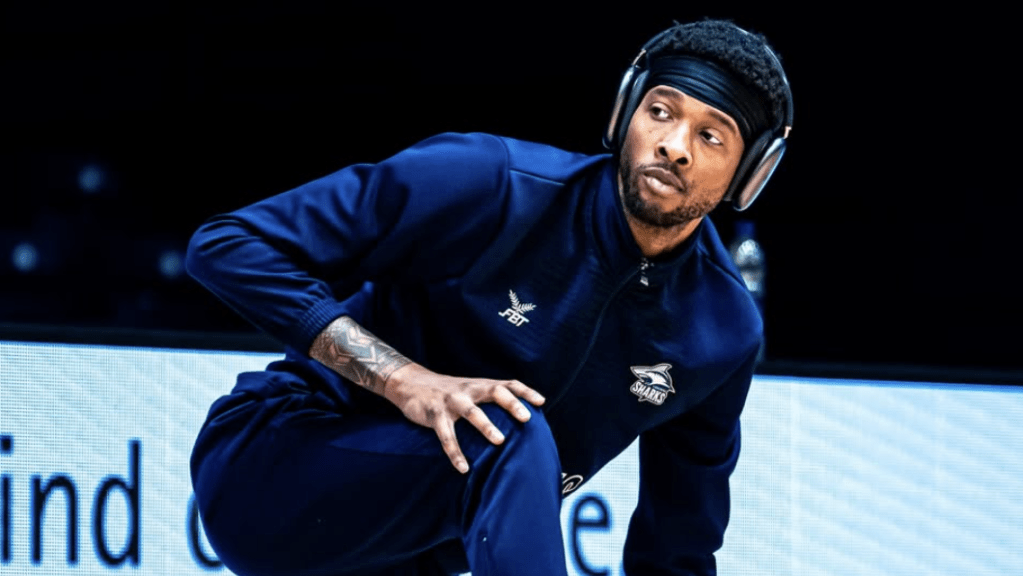
Dirk Williams was one of Sheffield’s new faces this season, but not a new player to the club or the British top flight.
He had already shown what he could be at this level. The last time he played in the British top flight, with Manchester in 2022/23, he was one of the competition’s most dangerous scorers. This season, after returning to Sheffield, he was still recognisably the same player.
| Statistic | Manchester 22/23 | Sheffield 25/26 |
|---|---|---|
| Minutes Per Game | 35.1 | 31.9 |
| Points Per Game | 19.4 | 14.6 |
| Rebounds Per Game | 4.0 | 3.9 |
| Assists Per Game | 2.4 | 2.8 |
| Turnovers Per Game | 2.2 | 1.5 |
| FG% | 47.4% | 47.5% |
| 3P% | 44.7% | 39.4% |
The three-point shooting came down, but 39.4% was still more than enough to space the floor. His assist and turnover numbers were cleaner too, showing a player who was more reliable with the ball while remaining an efficient scorer off it.
Mostly Fine
Sheffield were still competitive. Still capable of beating good teams. Still short of feeling like something new.
In the second season of a new investment era, after last year had brought so much promise, a decent season was not quite enough to feel like progress.
